
Research Tips

GCP: Good Clinical Practice

How to Prepare a Protocol for an IIT

An investigator‑initiated trial (IIT) protocol outlines how the study will be conducted. A comprehensive protocol includes sections such as: title page, background information, trial rationale and objectives, trial design, selection and withdrawal of subjects, treatment of subjects, assessment of efficacy, assessment of safety, statistics, direct access to source data/documents, quality control and quality assurance, ethics, data handling and record‑keeping, financing and insurance, publication policy, and other supplementary information.

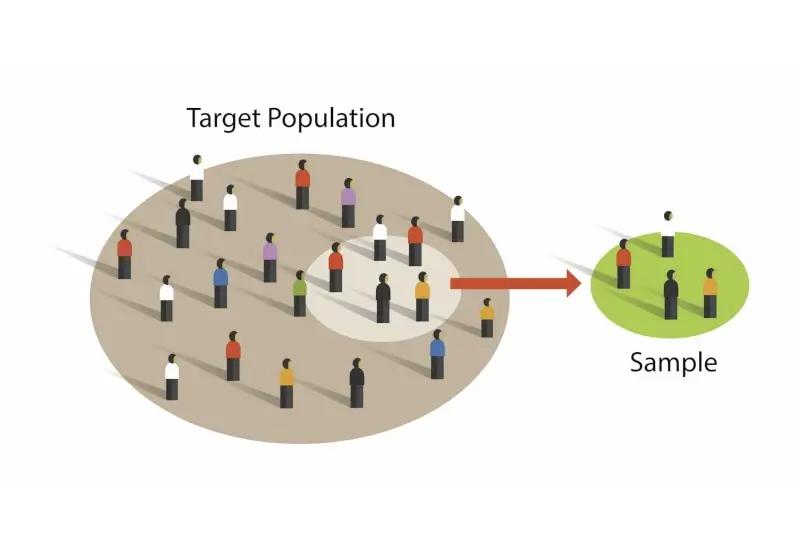
A graphic visualizing a target population sample set

How to Calculate Sample Size for an Investigator Initiated Trial

Sample size is one of the most important criteria when it comes to designing an investigator initiated trial. After all, selecting the wrong size can be disastrous for a study later on. This article will guide you through the basics of calculating the optimal sample size for your clinical study.

A blonde woman with glowing cubes at the tips of her right hand fingers

How to Prepare a Study Design for an IIT Proposal

Designing an investigator-initiated trial (IIT) is challenging. Beyond scientific and technical fundamentals, hidden factors can affect success. A weak design risks wasted time, effort, and money. This article outlines key steps to strengthen your proposal and improve the likelihood of achieving meaningful, impactful results in your IIT.

Graphic of a computer with papers all over the screen and a hand picking one

How to Make your IIT Proposal Stand Out

Drafting a grant or IIT application takes significant time and effort, so maximizing funding chances is crucial. While luck plays a role, you can stand out by aligning with key reviewer expectations. This article highlights critical factors to strengthen your proposal and increase the likelihood of success.

A colorful graphic with teal background

How to Draft a Successful IIT Proposal

Drafting a proposal for an IIT or grant is challenging, even for experienced academics. Securing funding is harder still. This article shares proven strategies to strengthen your application, improve clarity and impact, and maximize your chances of approval and success in today’s competitive research funding environment.

A close up of a woman's eyes that appear to be projecting light

Generating and Screening Ideas for your Investigator Initiated Trial

Identifying an unmet medical need is only the first step. Next, generate and refine study ideas to develop a strong proposal. Since funding is limited, applying clear selection criteria ensures only the best concepts move forward, saving time, effort, and increasing your chances of securing support.

A graph made to look like an eye

Identifying an Unmet Need for your Investigator Initiated Trial

When drafting a grant or Investigator-Initiated Trial, the first step is identifying an unmet scientific or medical need. Rushing this stage weakens your proposal and hinders funding success. This article outlines a detailed approach to identifying and evaluating unmet needs, helping you build stronger, more convincing study applications.

A close up a file cabinate and a folder title 'Grants'

Applying for an Investigator Initiated Trial

You’ve come across an excellent idea for a study that you think would be worthwhile to submit as an Investigator-Initiated Trial (IIT), but how and where do you begin? In this article, we’ll describe all the steps and general tips for submitting a successful ITT application.

Investigator Initiated Trials

What is an Investigator Initiated Trial?

Clinical trials bring new drugs and products to market but often leave gaps or spark fresh ideas. Investigator-Initiated Trials (IITs) address these by exploring new applications, comparing safety, efficacy, and cost, and generating insights that drive innovation, discovery, and deeper understanding beyond the scope of traditional studies.